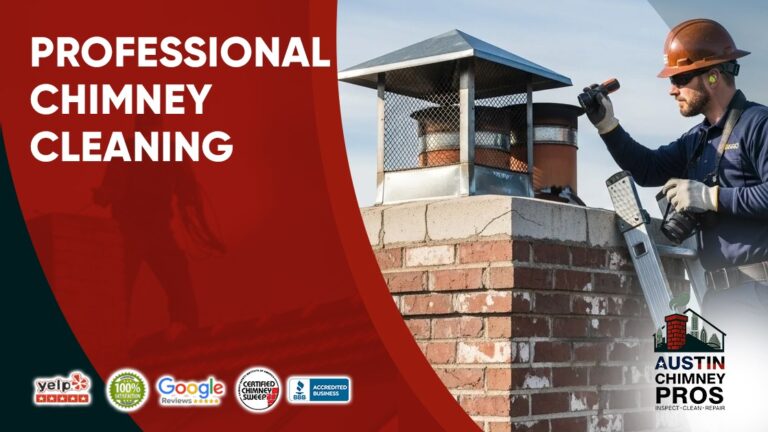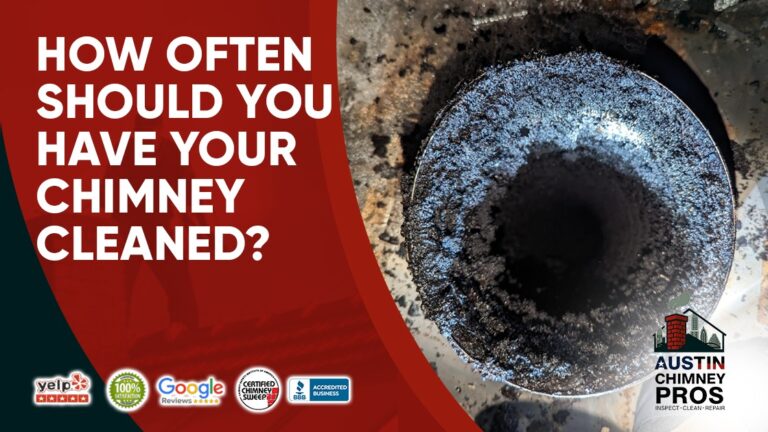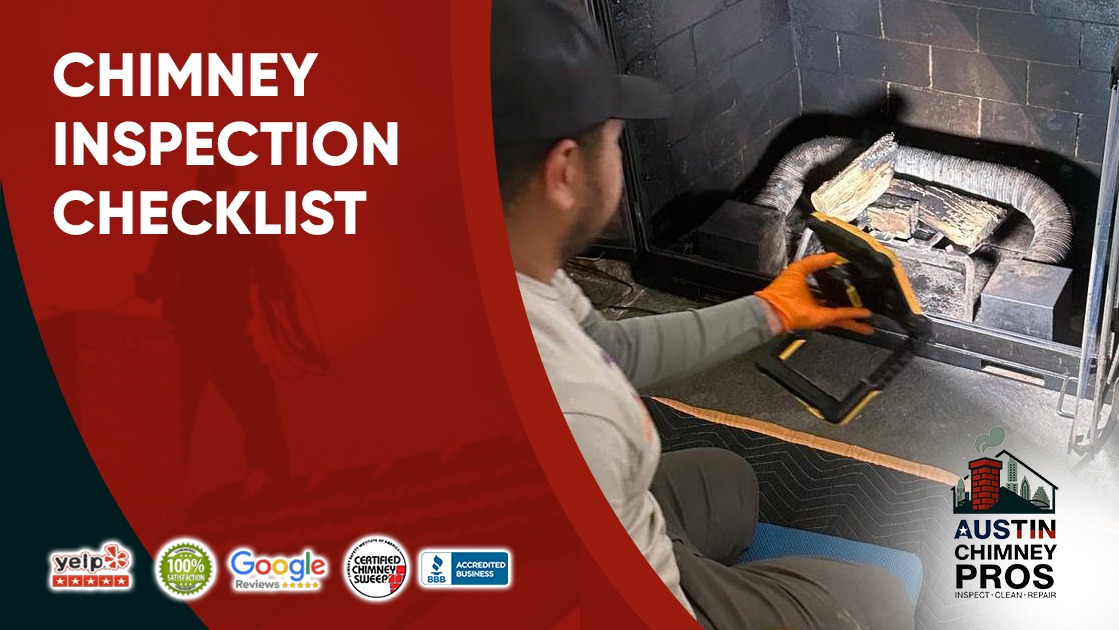

Keeping your chimney in top condition is essential for the safety, efficiency, and longevity of your home. A well-maintained chimney not only prevents dangerous fire hazards but also protects your family from harmful fumes and structural damage. For homeowners in Houston, Austin, Georgetown, and San Antonio, regular professional chimney inspections are an important part of home maintenance. To help you stay on top of chimney care, we’ve put together a comprehensive chimney inspection checklist that covers everything you need to know.
Chimney Inspection
What It Involves
A chimney inspection is a detailed examination of your chimney’s interior and exterior to identify potential problems before they become serious. Professional chimney sweeps, like the trusted team at Austin Chimney Pros, follow a structured approach to ensure your chimney is safe and efficient. Inspections typically fall into three levels:
- Level 1 Inspection: A basic visual inspection performed during routine maintenance, checking accessible areas inside and outside the chimney.
- Level 2 Inspection: A more thorough inspection is required when a home is being sold, remodeled, or if you’ve had chimney problems. This includes using specialized tools like cameras to view the flue.
- Level 3 Inspection: A comprehensive inspection is needed if serious structural damage is suspected, which may require removing parts of the chimney or surrounding walls.
Regardless of the level, a proper chimney inspection helps homeowners prevent costly repairs, ensure proper ventilation, and maintain a safe living environment.
Chimney Inspection Checklist: Step by Step
Using this chimney inspection checklist can help you understand what professionals look for and what you should monitor regularly:
1. Examine the Chimney Cap and Crown
The chimney cap prevents rain, animals, and debris from entering the chimney. A cracked or missing cap can lead to water damage and rusted components. Inspect the crown—the top part of the chimney—for cracks or gaps that could allow moisture to seep into the masonry.
2. Check the Chimney Exterior
Inspect the chimney’s exterior for cracks, loose bricks, or deteriorating mortar joints. These issues can compromise the structural integrity of the chimney and allow water to penetrate, leading to long-term damage. Ensure that flashing around the base of the chimney is intact to prevent leaks.
3. Inspect the Flue and Firebox
The flue is the passage that directs smoke and gases out of your home. Any buildup of creosote, soot, or blockages can become a fire hazard. The firebox, where the fire burns, should also be inspected for cracks, loose bricks, or warped metal. A clean, intact firebox ensures safe operation and efficient heating.
4. Look for Signs of Creosote
Creosote is a highly flammable substance that forms when wood burns. Over time, it can build up in your chimney, increasing the risk of a dangerous chimney fire. Your chimney sweep will assess creosote levels and recommend a professional cleaning if needed.
5. Inspect the Damper
The damper controls airflow in the chimney and should open and close properly. A stuck or damaged damper can affect your heating efficiency and allow cold air or pests into your home. Regular inspection ensures smooth operation and energy efficiency.
6. Check for Animal or Debris Blockages
Bird nests, leaves, or small animals can obstruct your chimney. These blockages prevent proper ventilation and can lead to smoke damage or carbon monoxide buildup in your home. A professional inspection will identify and safely remove any obstructions.
7. Assess Moisture Damage
Water can seriously damage a chimney if it penetrates through cracks or deteriorated mortar. Signs of moisture damage include rusted components, stained bricks, or spalling (bricks flaking off). Moisture issues should be addressed immediately to prevent further structural problems.
8. Inspect the Chimney Interior
Professional chimney sweeps use specialized cameras to examine the interior of the flue for hidden cracks or defects. Internal damage can be a major fire hazard, so it’s important to catch these issues early.
9. Examine the Surrounding Area
Check the area around the chimney inside your home for signs of smoke stains, water damage, or unusual odors. These could indicate leaks, improper ventilation, or other hidden issues that need professional attention.
10. Schedule a Professional Cleaning
Even if your chimney appears clean, a professional cleaning should be part of your annual maintenance routine. Removing soot, creosote, and debris ensures safe operation and reduces fire risks.
Why Chimney Cleaning Should Be Part of Your Annual Home Maintenance Checklist
Many homeowners underestimate the importance of chimney cleaning, but it should be as routine as servicing your HVAC system or checking smoke detectors. Here’s why:
- Fire Prevention: Creosote buildup is one of the leading causes of chimney fires. Annual cleaning removes this flammable material before it becomes dangerous.
- Improved Air Quality: A clean chimney ensures smoke and gases exit your home efficiently, protecting your family from harmful fumes.
- Energy Efficiency: A well-maintained chimney improves your fireplace’s heating efficiency, helping you save on energy bills.
- Prolonged Chimney Life: Regular inspections and cleanings prevent minor issues from turning into costly repairs, extending the life of your chimney.
- Peace of Mind: Knowing your chimney is professionally maintained allows you to enjoy your fireplace safely, especially during the colder months.
At Austin Chimney Pros, our trusted chimney sweep experts in Houston, Austin, Georgetown, and San Antonio deliver safe, fast, and thorough chimney care. We provide detailed inspections, professional cleanings, and expert advice to keep your home protected year-round.
Tips for Homeowners
- Schedule an annual inspection: Even if you rarely use your fireplace, an annual check ensures your chimney is free from hazards.
- Use seasoned wood: Properly seasoned wood produces less creosote, reducing buildup in your chimney.
- Keep the area clear: Make sure the hearth and surrounding areas are free from flammable materials.
- Monitor for unusual signs: Smoke leaks, odors, or unusual sounds can indicate a problem. Contact a professional immediately if you notice anything unusual.
Contact Austin Chimney Pros
Protect your home and family with regular chimney inspections and cleanings. Our team of CSIA-certified professionals in Houston, Austin, Georgetown, and San Antonio is ready to help. We provide thorough, reliable service, ensuring your chimney operates safely and efficiently.
Call us today at (737) 234-9347 to book your chimney service and take the first step in safeguarding your home.
Your chimney deserves expert care, and with our detailed chimney inspection checklist, you can rest easy knowing your home is protected from fire hazards, smoke damage, and costly repairs.